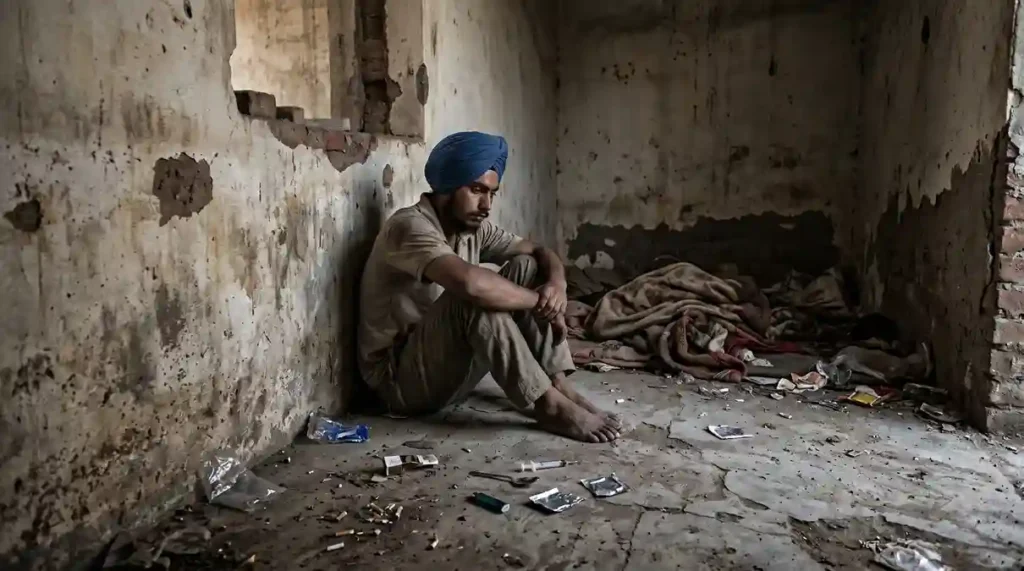
Punjab Drug Crisis ਉੱਤੇ ਸਰੋਤ-ਆਧਾਰਿਤ ਪੜਚੋਲ: ਨੌਜਵਾਨੀ, ਪਰਿਵਾਰ, border narcotics, treatment, law ਅਤੇ ਪੰਜਾਬ ਦੇ ਭਵਿੱਖ ਦੀ ਸੰਤੁਲਿਤ File।
ਇੱਕ ਘਰ ਦੀ ਚੁੱਪ, ਜਿੱਥੋਂ ਇਹ File ਖੁੱਲ੍ਹਦੀ ਹੈ
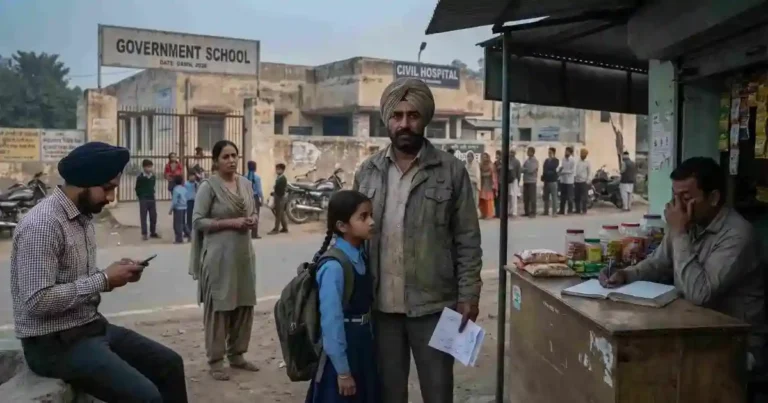
ਇਹ ਕਿਸੇ ਇੱਕ ਪਰਿਵਾਰ ਦੀ ਨਿੱਜੀ ਕਹਾਣੀ ਨਹੀਂ। ਇਹ ਪੰਜਾਬ ਦੇ ਕਈ ਘਰਾਂ ਦੀ ਪ੍ਰਤੀਕਾਤਮਕ ਤਸਵੀਰ ਹੈ। ਪਿੰਡ ਦੀ ਇੱਕ ਸਧਾਰਨ ਗਲੀ ਹੈ। ਸ਼ਾਮ ਢਲ ਰਹੀ ਹੈ। ਘਰਾਂ ਦੇ ਬੂਹੇ ਅੱਧੇ ਖੁੱਲ੍ਹੇ ਹਨ, ਪਰ ਕੁਝ ਘਰਾਂ ਦੇ ਅੰਦਰ ਇੱਕ ਅਜਿਹੀ ਚੁੱਪ ਹੈ ਜਿਸਦਾ ਕੋਈ ਸ਼ੋਰ ਨਹੀਂ ਹੁੰਦਾ। ਇੱਕ ਮਾਂ ਬਾਹਰ ਵੱਲ ਤੱਕਦੀ ਹੈ। ਉਸਦੇ ਕੰਨ ਹਰ ਮੋਟਰਸਾਈਕਲ ਦੀ ਆਵਾਜ਼ ਉੱਤੇ ਚੌਂਕਦੇ ਹਨ। ਉਸਦਾ ਪੁੱਤ ਅਜੇ ਘਰ ਨਹੀਂ ਆਇਆ।
ਨਸ਼ਾ ਸੰਕਟ ਬਾਰੇ ਗੱਲ ਕਰਦੇ ਸਮੇਂ ਅਕਸਰ ਪਹਿਲਾਂ ਅੰਕੜੇ ਆਉਂਦੇ ਹਨ: ਕਿੰਨੀ heroin ਫੜੀ ਗਈ, ਕਿੰਨੇ drones ਆਏ, ਕਿੰਨੀਆਂ FIRs ਹੋਈਆਂ, ਕਿੰਨੀਆਂ ਗ੍ਰਿਫ਼ਤਾਰੀਆਂ ਹੋਈਆਂ। ਇਹ ਅੰਕੜੇ ਜ਼ਰੂਰੀ ਹਨ, ਪਰ ਪੂਰੀ ਕਹਾਣੀ ਨਹੀਂ। ਅਸਲ ਕਹਾਣੀ ਘਰਾਂ ਦੀ ਹੈ, ਮਾਵਾਂ ਦੀ ਹੈ, ਨੌਜਵਾਨਾਂ ਦੀ ਹੈ, ਸਰਹੱਦ ਦੀ ਹੈ, ਮਾਨਸਿਕ ਤਣਾਅ ਦੀ ਹੈ, ਅਤੇ ਉਸ ਸਮਾਜਕ ਸ਼ਰਮ ਦੀ ਹੈ ਜੋ ਕਈ ਪਰਿਵਾਰਾਂ ਨੂੰ ਮਦਦ ਮੰਗਣ ਤੋਂ ਪਹਿਲਾਂ ਹੀ ਚੁੱਪ ਕਰ ਦਿੰਦੀ ਹੈ।
ਨਸ਼ੇ ਵਿੱਚ ਫਸਿਆ ਨੌਜਵਾਨ ਪੰਜਾਬ ਦਾ ਦੁਸ਼ਮਣ ਨਹੀਂ। ਉਹ ਪੰਜਾਬ ਦੀ ਟੁੱਟ ਰਹੀ ਸਮਾਜਕ, ਆਰਥਿਕ ਅਤੇ ਸਿਹਤ ਪ੍ਰਣਾਲੀ ਦਾ ਜ਼ਖ਼ਮੀ ਚਿਹਰਾ ਹੈ।
Punjab Drug Crisis ਨੂੰ ਸਿਰਫ਼ crime story ਵਾਂਗ ਦੇਖਣਾ ਅਧੂਰਾ ਹੈ। ਇਹ public health ਦਾ ਮਸਲਾ ਹੈ, family breakdown ਦਾ ਮਸਲਾ ਹੈ, law-and-order ਦਾ ਮਸਲਾ ਹੈ, border security ਦਾ ਮਸਲਾ ਹੈ, ਅਤੇ ਸਭ ਤੋਂ ਵੱਧ, ਪੰਜਾਬ ਦੀ ਨੌਜਵਾਨੀ ਦੇ ਭਵਿੱਖ ਦਾ ਮਸਲਾ ਹੈ।
Punjab Drug Crisis ਅਸਲ ਵਿੱਚ ਕੀ ਹੈ?
ਸਾਦੇ ਸ਼ਬਦਾਂ ਵਿੱਚ, Punjab Drug Crisis ਉਹ ਹਾਲਤ ਹੈ ਜਿੱਥੇ heroin, opioids ਅਤੇ ਹੋਰ ਨਸ਼ਿਆਂ ਨੇ ਪੰਜਾਬ ਦੀ ਨੌਜਵਾਨੀ, ਪਰਿਵਾਰਾਂ ਅਤੇ ਪਿੰਡਾਂ ਨੂੰ ਡੂੰਘਾਈ ਤੱਕ ਪ੍ਰਭਾਵਿਤ ਕੀਤਾ ਹੈ। ਇਹ ਸਿਰਫ਼ “ਮਾੜੀ ਆਦਤ” ਜਾਂ “ਕਮਜ਼ੋਰ ਇਰਾਦੇ” ਦੀ ਗੱਲ ਨਹੀਂ। Addiction ਇੱਕ medical ਅਤੇ psychological condition ਹੈ, ਜਿਸਦੇ ਪਿੱਛੇ availability, peer pressure, stress, trauma, unemployment ਅਤੇ weak support systems ਵਰਗੇ ਕਈ ਕਾਰਨ ਹੋ ਸਕਦੇ ਹਨ।
2015 ਦੇ Punjab Opioid Dependence Survey ਨੇ ਪੰਜਾਬ ਵਿੱਚ opioid dependence ਦੀ ਗੰਭੀਰ ਤਸਵੀਰ ਪੇਸ਼ ਕੀਤੀ ਸੀ। ਉਸ ਰਿਪੋਰਟ ਵਿੱਚ ਲਗਭਗ 2.3 ਲੱਖ opioid-dependent ਲੋਕਾਂ ਦਾ estimate ਦਿੱਤਾ ਗਿਆ, ਅਤੇ probable opioid users ਦੀ ਗਿਣਤੀ 8.6 ਲੱਖ ਦੇ ਨੇੜੇ ਮੰਨੀ ਗਈ। ਰਿਪੋਰਟ ਨੇ ਇਹ ਵੀ ਦਰਸਾਇਆ ਕਿ young males disproportionately affected ਸਨ, heroin ਸਭ ਤੋਂ widely used opioid ਸੀ, ਅਤੇ treatment access ਵਿੱਚ ਵੱਡਾ gap ਮੌਜੂਦ ਸੀ।
2019 ਦੀ national survey ਨੇ ਵੀ opioid use ਨੂੰ India-level concern ਵਜੋਂ ਦਰਸਾਇਆ। PIB release ਮੁਤਾਬਕ, India ਵਿੱਚ current opioid use ਦੀ prevalence 2.06% ਦੱਸੀ ਗਈ, heroin national level ਉੱਤੇ most common opioid ਵਜੋਂ ਦਰਸਾਈ ਗਈ, ਅਤੇ opioid use disorders ਦੇ total burden ਵਿੱਚ Punjab ਕੁਝ ਵੱਡੇ contributing states ਵਿੱਚ ਸ਼ਾਮਲ ਸੀ।
ਇਨ੍ਹਾਂ facts ਦਾ ਮਤਲਬ ਇਹ ਹੈ ਕਿ Punjab ਦਾ ਨਸ਼ਾ ਸੰਕਟ ਕੋਈ isolated problem ਨਹੀਂ। ਇਹ ਇੱਕ ਵੱਡੀ social health emergency ਹੈ, ਜਿਸਨੂੰ ਨਾ ਸਿਰਫ਼ police ਨਾਲ ਹੱਲ ਕੀਤਾ ਜਾ ਸਕਦਾ ਹੈ, ਨਾ ਸਿਰਫ਼ speeches ਨਾਲ, ਨਾ ਸਿਰਫ਼ shame ਨਾਲ।
ਤਸਦੀਕਸ਼ੁਦਾ ਤੱਥ ਸਾਰ
| ਮੁੱਦਾ | ਕੀ ਦਰਸਾਉਂਦਾ ਹੈ | ਪੰਜਾਬ ਉੱਤੇ ਅਸਰ |
|---|---|---|
| PODS 2015 | ਲਗਭਗ 2.3 ਲੱਖ opioid-dependent ਲੋਕ; probable users 8.6 ਲੱਖ ਦੇ ਨੇੜੇ | ਨੌਜਵਾਨ ਮਰਦ ਅਤੇ rural Punjab ਵੱਡੇ ਤੌਰ ਉੱਤੇ ਪ੍ਰਭਾਵਿਤ |
| Heroin use | PODS ਵਿੱਚ heroin ਸਭ ਤੋਂ widely used opioid ਵਜੋਂ ਸਾਹਮਣੇ ਆਈ | “ਚਿੱਟਾ” ਲੋਕ-ਡਰ ਦਾ ਪ੍ਰਤੀਕ ਬਣਿਆ |
| National Survey 2019 | India ਵਿੱਚ current opioid use 2.06%; heroin most common opioid | Punjab wider Indian drug-use picture ਨਾਲ ਜੁੜਦਾ ਹੈ |
| Border seizures 2025 | 30 November 2025 ਤੱਕ BSF ਨੇ Punjab border ਉੱਤੇ 272 drones ਅਤੇ 367 kg ਤੋਂ ਵੱਧ heroin seized ਦੱਸੀ | Border narcotics ਅਤੇ security pressure ਵਧਿਆ |
| Yudh Nasheyan Virudh | March 2025 ਤੋਂ anti-drug campaign; one-year claims ਵਿੱਚ arrests, FIRs ਅਤੇ seizures ਦੇ ਵੱਡੇ figures report ਹੋਏ | Enforcement ਵਧੀ, ਪਰ long-term independent evaluation ਅਜੇ ਵੀ ਜ਼ਰੂਰੀ |
| OOAT / treatment | Punjab ਵਿੱਚ OOAT model 2017 ਤੋਂ expand ਹੋਇਆ | Treatment access ਵਧਿਆ, ਪਰ follow-up ਅਤੇ monitoring key challenges ਹਨ |
ਇਹ ਸਿਰਫ਼ ਨਸ਼ਾ ਨਹੀਂ, Punjab Issue ਹੈ
ਪੰਜਾਬ ਵਿੱਚ ਨਸ਼ੇ ਨੂੰ ਸਿਰਫ਼ “drug problem” ਕਹਿਣਾ ਇਸਦੀ ਗਹਿਰਾਈ ਘਟਾ ਦਿੰਦਾ ਹੈ। ਇਹ Punjab Issue ਇਸ ਲਈ ਹੈ ਕਿਉਂਕਿ ਇਹ ਪੰਜਾਬ ਦੀ ਪਛਾਣ, ਪਿੰਡਾਂ, ਪਰਿਵਾਰਾਂ, ਸਰਹੱਦਾਂ ਅਤੇ ਨੌਜਵਾਨੀ ਨਾਲ ਜੁੜਿਆ ਹੋਇਆ ਹੈ। ਜਿਹੜੀ ਉਮਰ ਖੇਡ ਮੈਦਾਨਾਂ, ਕਾਲਜਾਂ, ਖੇਤਾਂ, ਕਾਰੋਬਾਰਾਂ ਅਤੇ ਨਵੀਆਂ ਸੋਚਾਂ ਵਿੱਚ ਹੋਣੀ ਚਾਹੀਦੀ ਸੀ, ਉਸਦਾ ਇੱਕ ਹਿੱਸਾ addiction, ਬੇਰੁਜ਼ਗਾਰੀ, migration pressure ਅਤੇ mental stress ਵਿੱਚ ਫਸਿਆ ਹੋਇਆ ਹੈ। ਇੱਕ ਨੌਜਵਾਨ ਦੇ ਡਿੱਗਣ ਨਾਲ ਸਿਰਫ਼ ਉਹ ਨਹੀਂ ਟੁੱਟਦਾ, ਪੂਰਾ ਘਰ ਹਿੱਲਦਾ ਹੈ।
ਪੇਂਡੂ ਪੰਜਾਬ ਇਸ ਮਸਲੇ ਨਾਲ ਖ਼ਾਸ ਤੌਰ ਉੱਤੇ ਜੁੜਿਆ ਹੈ। PODS report ਨੇ ਦਰਸਾਇਆ ਕਿ opioid dependence ਹੁਣ ਸਿਰਫ਼ urban pockets ਤੱਕ ਸੀਮਤ ਨਹੀਂ ਰਹੀ ਸੀ; across the state, opioid-dependent population ਦਾ ਲਗਭਗ 55% rural areas ਨਾਲ ਜੁੜਿਆ ਸੀ।
ਇਸੇ ਨਾਲ migration ਦਾ pressure ਵੀ ਜੁੜਦਾ ਹੈ। Punjab ਦੇ ਕਸਬਿਆਂ ਵਿੱਚ IELTS centres ਅਤੇ immigration offices ਸਿਰਫ਼ ਸੁਪਨੇ ਨਹੀਂ ਵੇਚਦੇ, ਉਹ ਅਕਸਰ ਇੱਕ ਡਰ ਦਾ ਜਵਾਬ ਵੀ ਬਣ ਜਾਂਦੇ ਹਨ: ਇੱਥੇ future ਹੈ ਜਾਂ ਨਹੀਂ? PAU Ludhiana ਨਾਲ ਜੁੜੀ reporting ਵਿੱਚ unemployment, low income, corruption ਅਤੇ drugs ਦੀ prevalence ਨੂੰ rural migration ਦੇ ਕਾਰਨਾਂ ਨਾਲ ਜੋੜਿਆ ਗਿਆ।
ਨੌਜਵਾਨੀ ਅਤੇ ਪਰਿਵਾਰ: ਅਸਲੀ ਕੀਮਤ ਕੌਣ ਭਰਦਾ ਹੈ?
ਨਸ਼ੇ ਦੀ ਸਭ ਤੋਂ ਵੱਡੀ ਤਬਾਹੀ ਇਹ ਹੈ ਕਿ ਇਹ ਇੱਕ ਵਿਅਕਤੀ ਨਾਲ ਸ਼ੁਰੂ ਹੋ ਕੇ ਪੂਰੇ ਘਰ ਵਿੱਚ ਫੈਲ ਜਾਂਦਾ ਹੈ। ਇੱਕ ਨੌਜਵਾਨ treatment ਤੋਂ ਬਿਨਾਂ ਫਸਦਾ ਹੈ, ਪਰ ਉਸਦੇ ਨਾਲ ਮਾਂ ਦੀ ਨੀਂਦ, ਪਿਓ ਦੀ ਕਮਾਈ, ਪਤਨੀ ਦੀ ਸੁਰੱਖਿਆ, ਬੱਚਿਆਂ ਦੀ stability ਅਤੇ ਘਰ ਦੀ ਇੱਜ਼ਤ ਵੀ ਹਿੱਲ ਜਾਂਦੀ ਹੈ।
ਮਾਂ ਸਭ ਤੋਂ ਪਹਿਲਾਂ ਬਦਲਾਅ ਮਹਿਸੂਸ ਕਰਦੀ ਹੈ। ਚਿਹਰੇ ਦੀ ਥਕਾਵਟ, ਅੱਖਾਂ ਦੀ ਖਾਲੀਅਤ, ਘਰ ਤੋਂ ਬਾਹਰ ਰਹਿਣਾ, ਗੁੱਸਾ, ਚੁੱਪ ਜਾਂ ਪੈਸਿਆਂ ਦੀ ਅਚਾਨਕ ਮੰਗ। ਪਰ ਕਈ ਵਾਰ ਉਹ ਇਹ ਗੱਲ ਬਾਹਰ ਨਹੀਂ ਕਹਿ ਸਕਦੀ। ਉਹ ਆਪਣੇ ਪੁੱਤ ਨੂੰ ਬਚਾਉਣਾ ਚਾਹੁੰਦੀ ਹੈ, ਪਰ “ਲੋਕ ਕੀ ਕਹਿਣਗੇ” ਦਾ ਡਰ ਉਸਨੂੰ ਰੋਕਦਾ ਹੈ।
ਪਿਓ ਕਈ ਵਾਰ ਆਪਣੀ ਜ਼ਮੀਨ, ਗਹਿਣੇ ਜਾਂ ਸਾਰੀ ਉਮਰ ਦੀ ਬਚਤ treatment ਉੱਤੇ ਲਾ ਦਿੰਦਾ ਹੈ। ਪਤਨੀ ਆਰਥਿਕ ਜ਼ਿੰਮੇਵਾਰੀ, ਘਰੇਲੂ ਤਣਾਅ ਅਤੇ ਸਮਾਜਕ ਤਾਨਿਆਂ ਦੇ ਵਿਚਕਾਰ ਪੀਸਦੀ ਹੈ। ਬੱਚੇ ਇੱਕ ਅਜਿਹੇ ਘਰ ਵਿੱਚ ਵੱਡੇ ਹੁੰਦੇ ਹਨ ਜਿੱਥੇ ਪਿਆਰ ਤਾਂ ਹੁੰਦਾ ਹੈ, ਪਰ stability ਨਹੀਂ ਹੁੰਦੀ।
ਇੱਥੇ society ਦੀ language ਬਹੁਤ important ਹੈ। ਜੇ ਅਸੀਂ ਕਿਸੇ ਨੌਜਵਾਨ ਨੂੰ “ਮੁੱਕ ਗਿਆ”, “ਨਕਾਰਾ” ਜਾਂ “ਭਾਰ” ਕਹਿ ਦਿੰਦੇ ਹਾਂ, ਤਾਂ ਅਸੀਂ ਉਸਨੂੰ treatment ਤੋਂ ਹੋਰ ਦੂਰ ਧੱਕ ਸਕਦੇ ਹਾਂ। PODS report ਨੇ ਦਰਸਾਇਆ ਸੀ ਕਿ opioid-dependent individuals ਵਿੱਚੋਂ 80% ਨੇ quit ਕਰਨ ਦੀ ਕੋਸ਼ਿਸ਼ ਕੀਤੀ, ਪਰ ਸਿਰਫ਼ ਲਗਭਗ 35% ਨੂੰ ਕਿਸੇ ਤਰ੍ਹਾਂ ਦੀ help ਮਿਲੀ, ਅਤੇ evidence-based treatment ਤੱਕ ਪਹੁੰਚ ਹੋਰ ਵੀ ਘੱਟ ਸੀ।
Recovery ਦਾ ਪਹਿਲਾ ਕਦਮ ਸਿਰਫ਼ medicine ਨਹੀਂ, ਮਾਣ ਵੀ ਹੈ। ਜਿਸ ਨੌਜਵਾਨ ਨੂੰ ਸਮਾਜ ਨੇ ਪੂਰੀ ਤਰ੍ਹਾਂ ਤਿਆਗ ਦਿੱਤਾ, ਉਸਦੇ ਲਈ ਵਾਪਸੀ ਦਾ ਰਾਹ ਹੋਰ ਔਖਾ ਹੋ ਜਾਂਦਾ ਹੈ।
ਸਰਹੱਦੀ ਨਸ਼ਾ: ਪੰਜਾਬ ਦਾ ਭੂਗੋਲਿਕ ਭਾਰ
Punjab ਦੀ international border ਇਸ ਸੰਕਟ ਨੂੰ ਹੋਰ ਜਟਿਲ ਬਣਾ ਦਿੰਦੀ ਹੈ। ਜਦੋਂ drug supply, drones ਅਤੇ cross-border networks ਦੀ ਗੱਲ ਆਉਂਦੀ ਹੈ, ਤਾਂ ਇਹ ਸਿਰਫ਼ health issue ਨਹੀਂ ਰਹਿੰਦਾ, security issue ਵੀ ਬਣ ਜਾਂਦਾ ਹੈ।
ਇੱਥੇ responsible writing ਬਹੁਤ ਜ਼ਰੂਰੀ ਹੈ। ਇਸ ਲੇਖ ਵਿੱਚ ਕੋਈ route, method, operational detail ਜਾਂ ਅਜਿਹੀ ਜਾਣਕਾਰੀ ਨਹੀਂ ਦਿੱਤੀ ਜਾ ਰਹੀ ਜੋ ਕਿਸੇ ਗਲਤ ਕੰਮ ਵਿੱਚ ਵਰਤੀ ਜਾ ਸਕੇ। PunjabFile ਦਾ ਕੰਮ awareness ਅਤੇ documentation ਹੈ, illegal networks ਨੂੰ practical ਜਾਣਕਾਰੀ ਦੇਣਾ ਨਹੀਂ।
30 November 2025 ਦੀ Akashvani News report ਨੇ BSF ਦੇ ਹਵਾਲੇ ਨਾਲ ਦੱਸਿਆ ਕਿ January ਤੋਂ ਉਸ date ਤੱਕ Punjab border ਉੱਤੇ 272 drones seized ਕੀਤੇ ਗਏ ਅਤੇ 367 kg ਤੋਂ ਵੱਧ heroin recover ਹੋਈ। Report ਨੇ arms, ammunition ਅਤੇ ਹੋਰ seizures ਦਾ ਵੀ ਜ਼ਿਕਰ ਕੀਤਾ। ਇਸ figure ਨੂੰ full-year final number ਵਜੋਂ ਨਹੀਂ, 30 November 2025 ਤੱਕ ਦੇ reported figure ਵਜੋਂ ਪੜ੍ਹਣਾ ਚਾਹੀਦਾ ਹੈ।
ਇਨ੍ਹਾਂ numbers ਦਾ ਮਤਲਬ ਇਹ ਨਹੀਂ ਕਿ ਸਰਹੱਦੀ ਪਿੰਡ ਦੋਸ਼ੀ ਹਨ। ਅਕਸਰ border communities ਖੁਦ ਦੋਹਰਾ ਭਾਰ ਚੁੱਕਦੀਆਂ ਹਨ: ਇੱਕ ਪਾਸੇ illegal networks ਦਾ pressure, ਦੂਜੇ ਪਾਸੇ suspicion ਅਤੇ checking ਦਾ ਭਾਰ। Policy ਦਾ ਕੰਮ ਆਮ ਲੋਕਾਂ ਨੂੰ ਦੋਸ਼ੀ ਬਣਾਉਣਾ ਨਹੀਂ, organized supply networks ਨੂੰ ਤੋੜਨਾ ਅਤੇ border villages ਨੂੰ protect ਕਰਨਾ ਹੈ।
Mental Health ਅਤੇ Addiction: ਲੁਕਿਆ ਹੋਇਆ ਸੰਬੰਧ
Drug addiction ਅਤੇ mental health ਦਾ ਰਿਸ਼ਤਾ ਡੂੰਘਾ ਹੈ। ਕਈ ਨੌਜਵਾਨ depression, anxiety, trauma, loneliness ਜਾਂ family pressure ਨਾਲ ਜੂਝਦੇ ਹਨ, ਪਰ Punjabi society ਵਿੱਚ mental health ਬਾਰੇ ਖੁੱਲ੍ਹ ਕੇ ਗੱਲ ਕਰਨੀ ਅਜੇ ਵੀ ਆਸਾਨ ਨਹੀਂ।
ਕਈ ਵਾਰ ਨੌਜਵਾਨ ਆਪਣੇ ਅੰਦਰਲੇ ਦਰਦ ਨੂੰ ਦਬਾਉਣ ਲਈ ਨਸ਼ੇ ਵੱਲ ਮੁੜਦਾ ਹੈ। ਪਰ ਨਸ਼ਾ ਦਰਦ ਨੂੰ ਖਤਮ ਨਹੀਂ ਕਰਦਾ, ਉਸਨੂੰ ਹੋਰ ਡੂੰਘਾ ਕਰ ਦਿੰਦਾ ਹੈ। ਫਿਰ ਇੱਕ cycle ਬਣਦੀ ਹੈ: ਦਰਦ ਤੋਂ ਬਚਣ ਲਈ substance, substance ਨਾਲ guilt, guilt ਨਾਲ ਹੋਰ stress, ਅਤੇ stress ਨਾਲ ਹੋਰ substance।
ਇਸ cycle ਨੂੰ ਸਿਰਫ਼ ਡਾਂਟ ਨਾਲ ਨਹੀਂ ਤੋੜਿਆ ਜਾ ਸਕਦਾ। ਇਸ ਲਈ trained counsellors, psychiatrists, family education ਅਤੇ long-term follow-up ਦੀ ਲੋੜ ਹੁੰਦੀ ਹੈ। School ਅਤੇ college level ਉੱਤੇ prevention education ਡਰਾ ਕੇ ਨਹੀਂ, ਸਮਝਾ ਕੇ ਹੋਣੀ ਚਾਹੀਦੀ ਹੈ। ਨੌਜਵਾਨ ਨੂੰ ਇਹ ਪਤਾ ਹੋਣਾ ਚਾਹੀਦਾ ਹੈ ਕਿ help ਮੰਗਣਾ weakness ਨਹੀਂ।
Treatment, OOAT ਅਤੇ ਕਾਨੂੰਨੀ ਸੰਤੁਲਨ
ਨਸ਼ਾ ਛੱਡਣਾ ਸਿਰਫ਼ ਇੱਕ ਦਿਨ ਦਾ ਕੰਮ ਨਹੀਂ। Detox ਪਹਿਲਾ ਕਦਮ ਹੋ ਸਕਦਾ ਹੈ, ਪਰ ਮੁੜ-ਵਸੇਬਾ ਉਸ ਤੋਂ ਬਾਅਦ ਸ਼ੁਰੂ ਹੁੰਦਾ ਹੈ। ਜੇ medical treatment ਮਿਲ ਗਿਆ, ਪਰ counselling, family support, relapse prevention ਅਤੇ livelihood support ਨਾ ਮਿਲੇ, ਤਾਂ ਵਾਪਸੀ ਅਧੂਰੀ ਰਹਿ ਸਕਦੀ ਹੈ।
Punjab ਵਿੱਚ Outpatient Opioid Assisted Treatment, ਯਾਨੀ OOAT model, opioid dependence ਨਾਲ ਜੂਝ ਰਹੇ ਲੋਕਾਂ ਲਈ ਮਹੱਤਵਪੂਰਨ ਰਿਹਾ ਹੈ। Indian Express ਦੀ explanation ਅਨੁਸਾਰ, Punjab ਵਿੱਚ OOAT centres ਦਾ setup October 2017 ਤੋਂ ਸ਼ੁਰੂ ਹੋਇਆ ਅਤੇ ਇਹ centres buprenorphine-naloxone combination ਰਾਹੀਂ opioid-dependent people ਨੂੰ treatment support ਦਿੰਦੇ ਹਨ।
2026 ਵਿੱਚ Punjab Assembly ਨਾਲ ਜੁੜੇ official material ਵਿੱਚ ਕਿਹਾ ਗਿਆ ਕਿ de-addiction ਅਤੇ rehabilitation network ਰਾਹੀਂ 10.63 lakh ਤੋਂ ਵੱਧ patients registered ਅਤੇ treated ਕੀਤੇ ਗਏ। ਇਹ treatment reach ਦੀ ਵੱਡੀ ਤਸਵੀਰ ਦਿੰਦਾ ਹੈ, ਪਰ ਇਸ ਨਾਲ quality, monitoring, relapse prevention ਅਤੇ follow-up ਦੇ ਸਵਾਲ ਖਤਮ ਨਹੀਂ ਹੁੰਦੇ।
ਕਾਨੂੰਨੀ ਪੱਖ ਵੀ ਸੰਤੁਲਨ ਮੰਗਦਾ ਹੈ। NDPS Act ਦੇ Section 64A ਵਿੱਚ addicts volunteering for treatment ਲਈ immunity ਦਾ provision ਮੌਜੂਦ ਹੈ, certain legal conditions ਦੇ ਅਧੀਨ। Department of Revenue ਦੀ explanation ਮੁਤਾਬਕ, small quantity ਜਾਂ consumption-related certain offences ਵਿੱਚ medical treatment ਲਈ voluntarily ਆਉਣ ਵਾਲੇ addict ਨੂੰ prosecution ਤੋਂ immunity ਮਿਲ ਸਕਦੀ ਹੈ।
ਇਸਦਾ ਮਤਲਬ law weak ਕਰਨਾ ਨਹੀਂ। Organized traffickers, suppliers ਅਤੇ drug money networks ਉੱਤੇ strict action ਜ਼ਰੂਰੀ ਹੈ। ਪਰ addiction ਨਾਲ ਜੂਝ ਰਹੇ individual ਨੂੰ ਸਿਰਫ਼ jail ਦੀ ਨਜ਼ਰ ਨਾਲ ਦੇਖਣਾ ਵੀ ਅਧੂਰਾ ਹੈ। User ਅਤੇ trafficker ਨੂੰ ਇੱਕੋ ਤਰਾਜ਼ੂ ਵਿੱਚ ਨਹੀਂ ਤੋਲਿਆ ਜਾ ਸਕਦਾ।
Policing ਅਤੇ ਸਿਆਸਤ: claims, results ਅਤੇ public trust
Punjab ਵਿੱਚ ਨਸ਼ਾ ਕਈ ਸਾਲਾਂ ਤੋਂ political issue ਰਿਹਾ ਹੈ। Campaigns launch ਹੁੰਦੀਆਂ ਹਨ, figures ਦਿੱਤੇ ਜਾਂਦੇ ਹਨ, press conferences ਹੁੰਦੀਆਂ ਹਨ। ਪਰ ਆਮ ਪਰਿਵਾਰ ਦਾ ਸਵਾਲ ਸਧਾਰਨ ਹੈ: ਕੀ ਨਸ਼ਾ ਘਟਿਆ? ਕੀ treatment ਮਿਲਿਆ? ਕੀ ਵੱਡੇ networks ਤੱਕ ਪਹੁੰਚ ਹੋਈ? ਕੀ recovery ਤੋਂ ਬਾਅਦ ਨੌਜਵਾਨ ਨੂੰ ਕੰਮ ਮਿਲਿਆ?
March 2025 ਵਿੱਚ “Yudh Nasheyan Virudh” campaign launch ਕੀਤੀ ਗਈ। March 2026 ਦੀ reporting ਵਿੱਚ government claims ਦੇ ਹਵਾਲੇ ਨਾਲ 51,648 arrests, 36,178 FIRs ਅਤੇ 2,277 kg heroin seizure ਵਰਗੇ figures report ਕੀਤੇ ਗਏ। ਇਨ੍ਹਾਂ numbers ਨੂੰ government claims ਵਜੋਂ ਹੀ ਪੜ੍ਹਣਾ ਚਾਹੀਦਾ ਹੈ, independent final evaluation ਵਜੋਂ ਨਹੀਂ।
Strict policing ਦੀ ਲੋੜ ਹੈ। ਪਰ policing alone ਕਾਫ਼ੀ ਨਹੀਂ। Supply chain ਤੋੜਨੀ ਪਵੇਗੀ, treatment access ਵਧਾਉਣਾ ਪਵੇਗਾ, private ਅਤੇ public centres ਦੀ monitoring ਮਜ਼ਬੂਤ ਕਰਨੀ ਪਵੇਗੀ, ਅਤੇ youth ਲਈ real opportunities ਬਣਾਉਣੀਆਂ ਪੈਣਗੀਆਂ। ਜੇ ਸਿਰਫ਼ arrests ਵਧਣ ਅਤੇ ਪਰਿਵਾਰਾਂ ਦੀ ਹਾਲਤ ਨਾ ਬਦਲੇ, ਤਾਂ public trust ਅਧੂਰਾ ਰਹੇਗਾ।
PunjabFile ਲਈ responsible line ਇਹ ਹੋਣੀ ਚਾਹੀਦੀ ਹੈ: ਜਿੱਥੇ fact confirmed ਹੈ, fact ਵਜੋਂ ਲਿਖੋ। ਜਿੱਥੇ government claim ਹੈ, claim ਵਜੋਂ ਲਿਖੋ। ਜਿੱਥੇ allegation ਹੈ, allegation ਵਜੋਂ ਲਿਖੋ। ਅਤੇ ਜਿੱਥੇ uncertainty ਹੈ, ਉੱਥੇ uncertainty ਸਾਫ਼ ਦੱਸੋ।
ਪੰਜਾਬ ਨੂੰ ਅਸਲ ਵਿੱਚ ਕੀ ਚਾਹੀਦਾ ਹੈ?
ਪੰਜਾਬ ਨੂੰ slogans ਤੋਂ ਵੱਧ system ਦੀ ਲੋੜ ਹੈ। ਇਹ crisis ਕਿਸੇ ਇੱਕ department ਨਾਲ ਹੱਲ ਨਹੀਂ ਹੋਵੇਗਾ। Health, police, education, employment, families, panchayats, religious institutions ਅਤੇ civil society ਨੂੰ ਇਕੱਠੇ ਕੰਮ ਕਰਨਾ ਪਵੇਗਾ।
Punjab ਲਈ practical ਰਾਹ ਇਹ ਹੋ ਸਕਦਾ ਹੈ:
- Border surveillance ਨੂੰ modern technology ਨਾਲ ਮਜ਼ਬੂਤ ਕਰਨਾ।
- Organized drug networks ਅਤੇ drug money ਉੱਤੇ focused investigation।
- Small users ਨੂੰ jail ਤੋਂ ਵੱਧ treatment route ਵੱਲ ਲੈ ਜਾਣਾ।
- OOAT ਅਤੇ de-addiction centres ਦੀ transparent monitoring।
- Women-friendly ਅਤੇ privacy-safe treatment access।
- Family counselling ਅਤੇ parent guidance support।
- School-college level prevention education।
- ਪਿੰਡ ਪੱਧਰ ਉੱਤੇ mental health awareness।
- Sports grounds, youth clubs ਅਤੇ skill centres।
- Recovery ਤੋਂ ਬਾਅਦ livelihood support।
- Private centres ਦੀ proper regulation।
- Data transparency ਤਾਂ ਜੋ policy guesswork ਨਹੀਂ, evidence ਉੱਤੇ ਬਣੇ।
ਇਹ ਸਮੱਸਿਆ ਸਿਰਫ਼ raids ਨਾਲ ਨਹੀਂ ਮੁੱਕੇਗੀ। ਅਤੇ ਸਿਰਫ਼ treatment ਨਾਲ supply chain ਨਹੀਂ ਟੁੱਟੇਗੀ। ਦੋਵੇਂ ਲੋੜੀਂਦੇ ਹਨ: ਸਖ਼ਤੀ ਵੀ, ਕਰੁਣਾ ਵੀ। ਕਾਨੂੰਨ ਵੀ, ਇਲਾਜ ਵੀ। Accountability ਵੀ, hope ਵੀ।
ਪੰਜਾਬ ਦੇ ਭਵਿੱਖ ਦਾ ਸਵਾਲ
ਜੇ ਪੰਜਾਬ ਆਪਣੀ ਨੌਜਵਾਨੀ ਗੁਆ ਬੈਠਾ, ਤਾਂ ਉਹ ਸਿਰਫ਼ ਅੱਜ ਨਹੀਂ, ਆਪਣਾ ਕੱਲ੍ਹ ਵੀ ਗੁਆ ਬੈਠੇਗਾ। ਨਸ਼ਾ ਸੰਕਟ migration, unemployment, mental health, family breakdown, border smuggling ਅਤੇ governance ਨਾਲ ਡੂੰਘਾਈ ਨਾਲ ਜੁੜਿਆ ਹੋਇਆ ਹੈ।
ਪਰ ਇਹ ਕਹਾਣੀ ਸਿਰਫ਼ ਹਨੇਰੇ ਦੀ ਨਹੀਂ। ਜਿੱਥੇ ਪਰਿਵਾਰ ਸਮੇਂ ਸਿਰ ਮਦਦ ਲੈਂਦਾ ਹੈ, ਉੱਥੇ hope ਹੈ। ਜਿੱਥੇ doctor ਅਤੇ counsellor ਮਾਣ ਨਾਲ treatment ਦਿੰਦੇ ਹਨ, ਉੱਥੇ hope ਹੈ। ਜਿੱਥੇ police ਵੱਡੇ networks ਤੱਕ ਪਹੁੰਚਦੀ ਹੈ, ਉੱਥੇ hope ਹੈ। ਜਿੱਥੇ ਪਿੰਡ recovery ਵਾਲੇ ਨੌਜਵਾਨ ਨੂੰ ਮੁੜ ਸਵੀਕਾਰ ਕਰਦਾ ਹੈ, ਉੱਥੇ hope ਹੈ। ਜਿੱਥੇ treatment ਤੋਂ ਬਾਅਦ work ਅਤੇ routine ਮਿਲਦਾ ਹੈ, ਉੱਥੇ hope ਹੈ।
ਜੇ ਪੰਜਾਬ ਦੀ ਨੌਜਵਾਨੀ ਨੂੰ ਸਿਰਫ਼ ਦੋਸ਼ੀ ਸਮਝ ਕੇ ਛੱਡ ਦਿੱਤਾ ਗਿਆ, ਤਾਂ ਅਸੀਂ ਨਸ਼ੇ ਨਾਲ ਨਹੀਂ, ਆਪਣੇ ਭਵਿੱਖ ਨਾਲ ਹਾਰ ਜਾਵਾਂਗੇ।
Punjab Drug Crisis ਦਾ ਹੱਲ ਸਿਰਫ਼ punishment ਵਿੱਚ ਨਹੀਂ, prevention, treatment, dignity ਅਤੇ opportunity ਦੇ ਮਿਲਾਪ ਵਿੱਚ ਹੈ। ਨੌਜਵਾਨੀ ਸੁੱਟਣ ਵਾਲੀ ਚੀਜ਼ ਨਹੀਂ। ਇਹ ਬਚਾਉਣ ਵਾਲੀ ਤਾਕਤ ਹੈ।
You May Also Like… Punjab Water Crisis: ਪੰਜਾਬ ਦੇ ਪਾਣੀ, ਪੰਜਾਬ ਦੇ ਹੱਕ ਅਤੇ ਪੰਜਾਬ ਦੇ ਭਵਿੱਖ ਦੀ ਸਭ ਤੋਂ ਵੱਡੀ ਲੜਾਈ
FAQ: ਆਮ ਪੁੱਛੇ ਜਾਂਦੇ ਸਵਾਲ
1. Punjab Drug Crisis ਕੀ ਹੈ?
2. ਕੀ ਨਸ਼ੇ ਵਿੱਚ ਫਸਿਆ ਨੌਜਵਾਨ ਅਪਰਾਧੀ ਹੈ ਜਾਂ ਮਰੀਜ਼?
3. Border Narcotics Punjab ਲਈ ਕਿਉਂ ਗੰਭੀਰ ਹੈ?
4. Recovery ਕਿਵੇਂ possible ਹੈ?
5. Punjab ਨੂੰ ਇਸ crisis ਤੋਂ ਨਿਕਲਣ ਲਈ ਕੀ ਚਾਹੀਦਾ ਹੈ?
Sources and References
- Punjab Opioid Dependence Survey, Brief Report, NDDTC-AIIMS / Punjab Health Department
- Magnitude of Substance Use in India, 2019 — Ministry of Social Justice & Empowerment / NDDTC-AIIMS
AIIMS official page: - Akashvani News report on BSF seizures along Punjab border, 30 November 2025
- Times of India report on one year of Yudh Nasheyan Virudh campaign, March 2026
- Indian Express explanation on OOAT centres in Punjab.
- Punjab Assembly / NeVA document mentioning de-addiction and rehabilitation registration figures
- Department of Revenue explanation on NDPS Section 64A.
- PAU Ludhiana official page on rural Punjab migration study
- ThePrint report on PAU study and rural Punjab migration context
ਸਰੋਤ ਸੀਮਾ ਅਤੇ ਅੰਤਿਮ Disclaimer
- ਇਹ ਲੇਖ ਜਨਤਕ ਰਿਪੋਰਟਾਂ, official claims, health research ਅਤੇ credible media reporting ਉੱਤੇ ਆਧਾਰਿਤ ਹੈ।
- ਨਸ਼ੇ, overdose, seizures, FIRs, arrests ਅਤੇ treatment ਨਾਲ ਜੁੜੇ figures ਸਮੇਂ ਨਾਲ ਬਦਲਦੇ ਹਨ। Publish ਕਰਨ ਤੋਂ ਪਹਿਲਾਂ latest official figures ਦੁਬਾਰਾ verify ਕਰਨੇ ਚਾਹੀਦੇ ਹਨ।
- ਜਿੱਥੇ government figures ਵਰਤੇ ਗਏ ਹਨ, ਉਨ੍ਹਾਂ ਨੂੰ government claim ਵਜੋਂ ਹੀ ਪੜ੍ਹਿਆ ਜਾਵੇ, independent final conclusion ਵਜੋਂ ਨਹੀਂ।
- ਇਹ ਲੇਖ ਨਸ਼ੇ ਦੀ ਵਰਤੋਂ, ਤਸਕਰੀ, ਖਰੀਦ-ਫਰੋਖ਼ਤ, ਛੁਪਾਉਣ ਜਾਂ ਕਿਸੇ illegal activity ਬਾਰੇ ਕੋਈ practical ਜਾਣਕਾਰੀ ਨਹੀਂ ਦਿੰਦਾ।
- ਇਹ ਲੇਖ ਕਿਸੇ ਨੌਜਵਾਨ, ਪਰਿਵਾਰ, ਪਿੰਡ, ਸਰਹੱਦੀ ਭਾਈਚਾਰੇ, police employee, institution, caste, religion ਜਾਂ community ਨੂੰ ਨਿਸ਼ਾਨਾ ਨਹੀਂ ਬਣਾਉਂਦਾ।
- PunjabFile ਨਫ਼ਰਤ, ਹਿੰਸਾ, drug use, drug trade, misinformation ਜਾਂ social stigma ਦਾ ਸਮਰਥਨ ਨਹੀਂ ਕਰਦਾ।
- ਲੇਖ ਦਾ ਮਕਸਦ documentation, public awareness, dignity, recovery-focused understanding ਅਤੇ responsible discussion ਹੈ।
- ਨਸ਼ੇ ਨਾਲ ਜੂਝ ਰਹੇ ਵਿਅਕਤੀ ਜਾਂ ਉਨ੍ਹਾਂ ਦੇ ਪਰਿਵਾਰ ਨੂੰ qualified doctor, psychiatrist, counsellor ਜਾਂ government-recognised de-addiction/OOAT centre ਨਾਲ ਸੰਪਰਕ ਕਰਨਾ ਚਾਹੀਦਾ ਹੈ।
ਲੇਖਕ ਬਾਰੇ
Kulbir Singh Bajwa is a historical and documentary writer working with a committed Punjab File team to preserve Punjab history, Sikh memory, public records, human rights questions, source-based documentation and responsible historical understanding for future generations. Through PunjabFile.org, his work focuses on truth, memory, dignity, Punjab’s lived realities and careful public documentation. PunjabFile Youtube
PunjabDrugCrisis #BorderNarcotics #ChittaPunjab #PunjabYouth #DeAddiction #Rehabilitation #MentalHealth #PunjabIssue #RecoveryIsPossible #PunjabFile #NDPS